

A two day guitar music event in Atlantic Canada centered on headline performances, artist exchanges, learning opportunities, and community activation. Set across historic theatres and waterfront sites in Nova Scotia and Prince Edward Island, the program pairs international guests with East Coast artists for collaborative sets, intimate sessions, and public workshops that grow music tourism and local creative careers.
Festival scheduling prioritizes headline exclusive performances each night, acoustic showcases midday, and family friendly programming in the afternoons. Headline acts will be booked to attract regional draw from Halifax, Charlottetown, Moncton, Saint John, and beyond, while a curated roster of East Coast talent ensures representation from Cape Breton fiddling traditions to indie folk guitar styles. Programming pairs unexpected collaborators to generate unique performances that cannot be heard elsewhere in Atlantic Canada.
The main performance lineup emphasizes:
Below is a representative schedule matrix for a single festival day showing venue, capacity, performance type, and recommended ticket tier. This placement appears mid narrative to aid planning and promotional clarity.
| Day | Time | Venue name | City | Performance type | Capacity | Recommended tier |
|---|---|---|---|---|---|---|
| Day 1 | 14:00 | Neptune Theatre main | Halifax | Acoustic salon set | 950 | General admission |
| Day 1 | 16:00 | Waterfront pop stage | Halifax | Outdoor folk showcase | 1,500 | Free/Donation access |
| Day 1 | 18:30 | Rebecca Cohn Hall | Halifax | Collaboration set (Intl + local) | 1,000 | Reserved seating |
| Day 1 | 20:30 | Capitol Theatre | Moncton | Headline electric set | 1,275 | Premium reserved |
| Day 2 | 10:00 | Community hall | Charlottetown | Masterclass clinic | 200 | Workshop pass |
| Day 2 | 15:00 | Confederation Centre | Charlottetown | Family program | 1,100 | Family pass |
| Day 2 | 19:00 | Historic waterfront | Halifax | Themed gala concert | 2,000 | VIP + GA |
Artist spotlights will include international guitarists known for cross genre work, paired with East Coast musicians with strong local followings. Collaboration sets are structured around prearranged rehearsals and optional one day residencies where visiting artists work with local educators and youth ensembles. Acoustic and intimate sessions occupy smaller rooms where audience size is deliberately capped to foster connection. Masterclasses and panels are scheduled with specific learning outcomes, such as technique demonstration, career management, sync licensing basics, and regional music preservation.
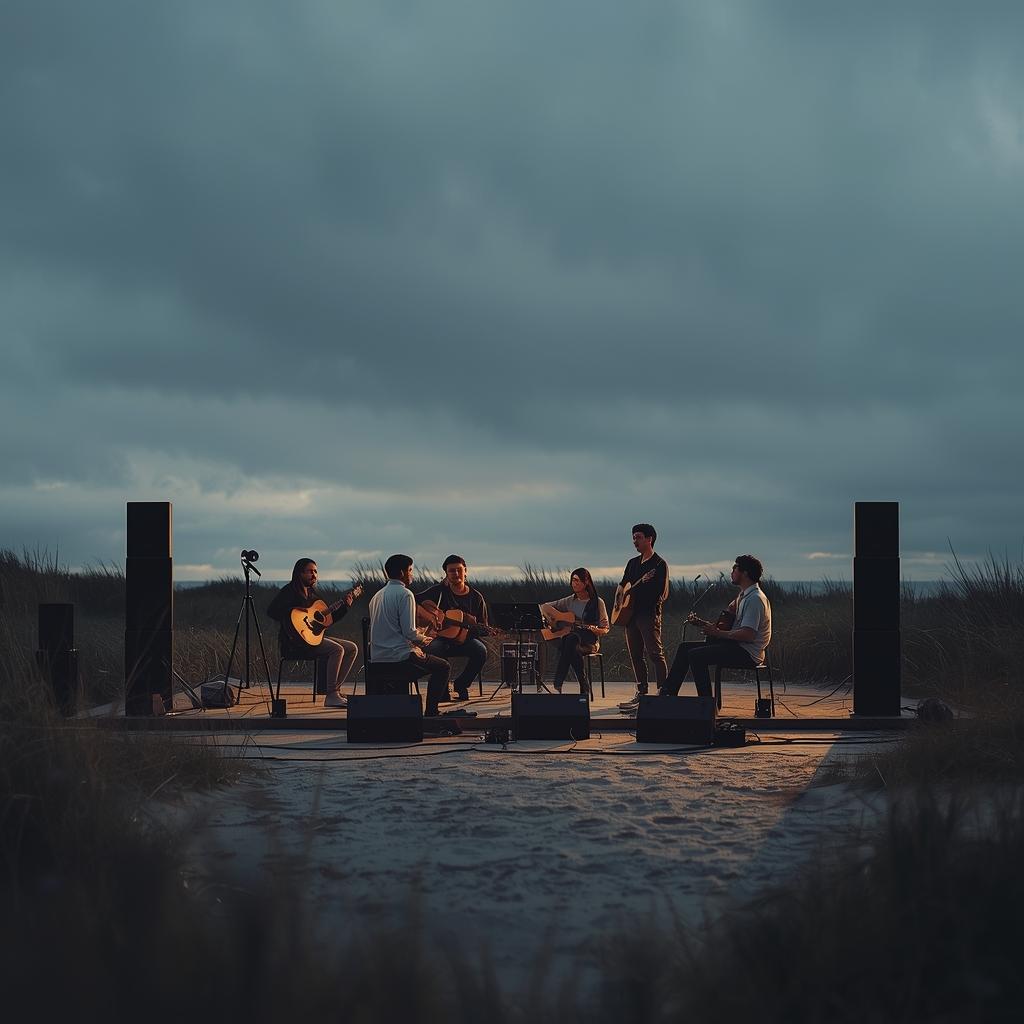
Evening gala concerts and themed shows emphasize production values. Stage design focuses on sight lines and warm acoustic fidelity for nylon, steel string, and amplified electric guitar. Lighting rigs use low glare fixtures to preserve sightlines for seated theatre audiences. FOH sound design prioritizes natural guitar timbre using hybrid microphone and DI techniques and is staffed by engineers experienced in folk, jazz, and acoustic amplification. Outdoor stages and pop up activations along the waterfront bring free programming to passersby and stimulate food truck and vendor activity.
Historic venues under consideration include Neptune Theatre and Rebecca Cohn Auditorium in Halifax, Capitol Theatre in Moncton, and Confederation Centre in Charlottetown. Each venue offers heritage character while meeting modern technical needs for exclusive sets and broadcast feeds.
VIP packages combine premium seating, early venue entry, artist meet and greet, and access to post show receptions. Typical VIP elements:
Ticketing features multiple tiers: single show reserved seating, day passes for multi venue access, full festival passes with workshop inclusion, and family passes designed for two adults plus youth. Seat allocation uses numbered seating in theatres and controlled capacity for acoustic rooms. Live streaming rights are negotiated for headline sets with geographic windows and on demand windows limited to 30 days. Media partnerships with regional broadcasters increase reach across Nova Scotia and Prince Edward Island, and social media influencer coverage is coordinated through credentialing and content schedules.
Community engagement includes school workshops in Halifax Regional Municipality and Charlottetown schools, free youth clinics, and artist residency projects with local music programs. Volunteer recruitment targets 150 trained roles for front of house, artist liaison, and site logistics. Staffing plans prioritize local hires for production, security, and vendor coordination to maximize economic benefits.
Accessibility commitments ensure wheelchair seating, ASL interpreted sessions on request, and sensory friendly times for families. Indigenous contributions are recognized through invited guest performers from Mi'kmaq communities, ceremonial acknowledgments, and platforming indigenous music educators in panels.
Sustainability measures focus on waste diversion, vendor composting, and low emission transport for production gear. A short list of core measures:
Projected economic impact for a two day event drawing 8,000 unique attendees includes hotel room nights across Halifax and Charlottetown, food and retail spending, and vendor revenue that supports local small businesses. Marketing will leverage regional media, targeted social ads, and partnerships with tourism bureaus to attract weekend stays from New England and Central Canada.
Post event evaluation uses ticket sales data, attendance demographics, workshop uptake, earned media impressions, and local business surveys to refine programming and scale the event in subsequent years. Planning emphasizes sustainability, artist career development, and enduring partnerships with cultural institutions to anchor the festival as a signature music event for Atlantic Canada.