

Learning several guitar styles opens up new ways to enjoy music at home, often turning a quiet evening into something more creative. Shifting between blues, fingerstyle, and rock can keep practice sessions varied and prevent boredom, with most players spending around 30 minutes daily on each technique before moving on. After an intense session, many find themselves with extra time to fill, which sometimes leads to exploring quick games like blackjack or spinning reels, especially as these require little setup and can be paused between songs. The range of available games, from video slots to card tables, shifts throughout the week and bonuses often appear suddenly, tempting players to stay longer or try another round. These habits shape how free time is spent, with practical effects such as watching for fast withdrawals or limits set by the platform's licence, which can change what wins are paid out and when:
Shifting attention between music and quick-play games keeps downtime unpredictable. Limits on session length or payout speed often shape how the rest of the evening unfolds.
As a result, the flow of the night stays open to change and small surprises. This means that when downtime is unpredictable, people find themselves drawn to new options like online casino games, which offer variety and excitement regardless of session length. Players at casino winnita often discover unique bonuses that add an extra layer of anticipation to each round. These shifting choices help keep the evening fresh and engaging from start to finish.
Shifting between fingerstyle blues and fast rock picking changes the mood of a song as much as the chords themselves. A jazz guitarist may create a mellow, laid back tone with soft brushes, while heavy metal players use palm muting to achieve a sharp, aggressive edge. Each method sets a distinct atmosphere, which leads to more varied home practice routines and opens up new avenues for downtime relaxation:
Trying out three or more guitar styles during the week breaks up monotony and keeps sessions engaging. For those whose evenings are now spent at home, a few hands of blackjack or a round of slots can become a familiar part of winding down after music practice.

Acoustic fingerstyle and electric lead playing each present distinct technical hurdles, from complex picking patterns to speed and precision. Mastering these approaches often means long practice hours, which can shape how much time remains at home for unwinding. Some finish a demanding session and turn to spinning reels or trying their hand at blackjack, drawn by the quick shifts between challenge and chance.
Switching from fingerstyle to strumming shifts the focus from individual note control to rhythm consistency. Each technique changes muscle memory and how mistakes show up, which directly impacts the time needed to get comfortable with either method:
For those practicing less than four days a week, fingerstyle progress typically lags behind strumming. After a lengthy session, some opt to unwind with a few spins on a favourite slot or explore new table games, using welcome offers or free spins as an extra bit of fun that fits neatly into downtime.
A lead guitarist often faces pressure to improvise melodies during live sets, while the rhythm player anchors the song’s groove. These distinct roles shape how musicians spend their time learning and what kinds of mistakes stand out most.
| Role | Most Common Challenge | Mistake Impact | Practice Focus |
|---|---|---|---|
| Lead solos | Staying in key during improvisation | Wrong note is obvious and distracting | Scale memorization and phrasing |
| Rhythm in a trio | Locking in with unpredictable drummers | Timing errors disrupt the whole band | Consistent strumming and chord changes |
| Harmony fills | Balancing volume against vocals | Overplaying drowns out singers | Dynamics and listening skills |
| Double-stop riffs | Smoothly shifting finger positions | Missed transition ruins the lick | Finger dexterity and accuracy |
| Clean arpeggios | Avoiding string noise at speed | Buzzing notes break the flow | Right hand precision and muting |
For those who spend over an hour a day on technique, the structure of rhythm practice often leaves more mental energy for other activities. After a heavy practice session, some unwind with a round of blackjack or by tracking bonus offers, since these games offer quick wins or losses without further mental strain.
Choosing a guitar style with a steep learning curve means less leisure time for other pursuits, like exploring new slot features or checking out live game streams. Balancing technical progress with downtime activities keeps evenings varied and rewarding.
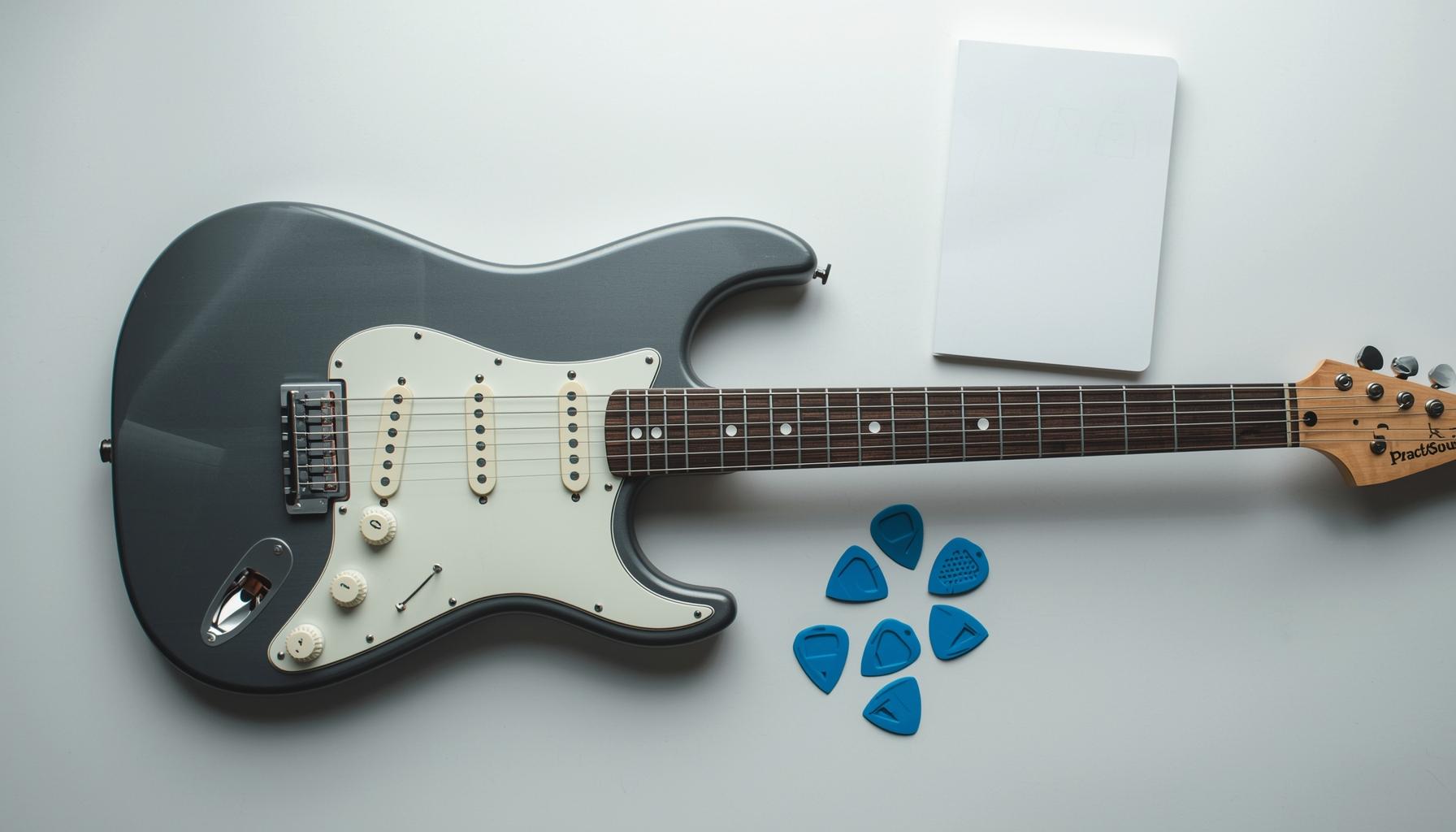
Shifting between guitar practice and other home activities keeps motivation high and prevents routines from becoming stale. Many people unwind after a jam session by spinning a few reels in a slot game or checking out the day's promotions in their favorite online lounge. This mix of creative effort and interactive games fills quiet evenings with fresh energy and variety.
A cramped or cluttered corner can turn guitar practice into a chore. Spacious layouts and comfortable seating boost creativity and help musicians unwind.
Natural light and easy access to instruments make long sessions less tiring. Many players keep a small table nearby for drinks or snacks, so breaks feel effortless. Some add a couch or soft chair to switch between focused practice and casual listening without leaving the space.
Online casinos often become part of the routine when leisure activities blend at home. After a focused guitar session, some people launch a few spins on slots or check out a new jackpot. A steady internet connection and a reliable device are essential for both music streaming and smooth gameplay, especially when shifting from practicing chords to exploring blackjack tables or live roulette.
Heavy distractions, like noisy notifications or constant movement, break musical focus and spoil the mood for games too. Placing a phone out of reach during practice helps keep both music and online casino sessions more rewarding.
Practice routines that clash with other relaxing pastimes can drain motivation and turn music into a box to tick. Some guitarists find that alternating between practice and lighter activities like watching a series or spinning a few rounds on a slot game keeps their mood up and the guitar from gathering dust. Integration works best with a clear rhythm to the evening:
When leisure blurs into practice time, guitar skills plateau and games begin to feel like a chore instead of a treat. Setting limits on both helps keep chord changes crisp and bonus rounds enjoyable, while avoiding missed payouts from distraction.
Balancing guitar sessions with time spent exploring jackpots or live tables can keep enthusiasm for both pursuits alive. Scheduling short breaks for a quick hand or a spin between scales breaks up practice and makes each return to music feel new.